
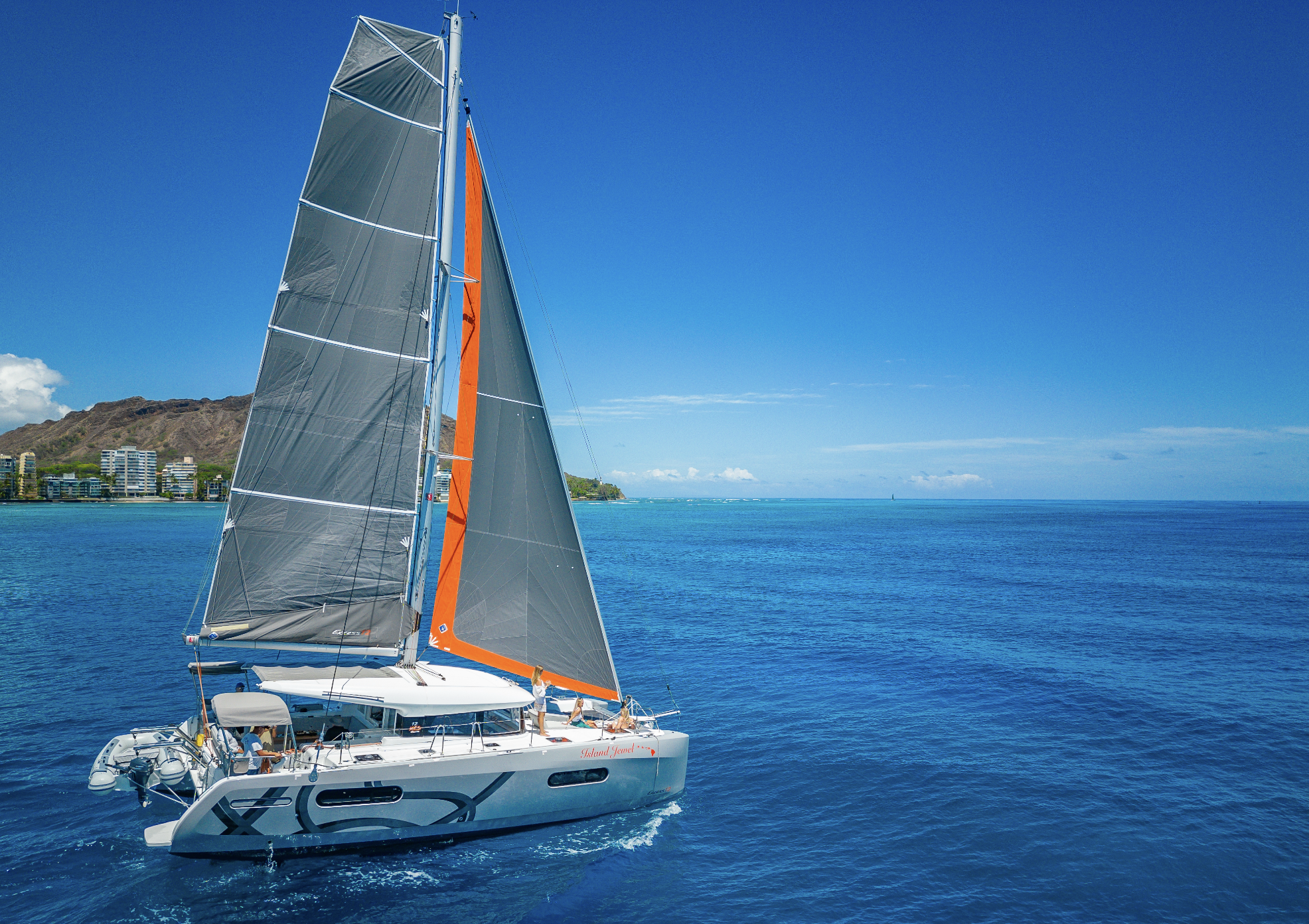
There is a particular sound a resort pool makes around four in the afternoon. It's not unpleasant, exactly. It's just relentless, the laughter, the speakers, the clatter of plastic glasses, the cheerful voice of someone selling shave ice. By the time the sun starts to lower, most guests have given up on the idea of stillness and gone inside.
A few miles offshore, the same hour sounds entirely different.
This is the part of luxury travel that has shifted in the last few years, quietly and almost without announcement. The travelers who once measured a trip by the brand on the lobby door are now measuring it by something else: how much of it actually belonged to them. Not the public version of Hawaii, packaged and shared with five hundred other guests, but the private one — the version where the only schedule is the one they make.
A private yacht charter is, in this sense, a kind of architecture. It builds a few hours of genuine privacy into a place that has very little of it left.
What "quiet luxury" actually looks like at sea
The term gets used loosely now, often by brands that don't really mean it. At sea, it's not aesthetic, it's practical. Quiet luxury on a charter means there is no one trying to upsell you a souvenir photograph. It means the captain knows your name, the crew knows what you ordered, and the music, if there is any, is yours. It means a swim deck that no one else will use that day. It means you can sit in silence with the person beside you and not feel the social pressure to perform a vacation.
For couples, this is often the first time on the trip they've been genuinely alone together. For families, it's the first time the children have been somewhere that isn't engineered for crowds. For corporate groups, it's the first conversation that didn't have a hotel logo behind it.
If you've never thought about how a private yacht charter in Oahu actually compares to the rest of a typical itinerary, the difference is structural. Everything else is shared. This isn't.
The privacy you can't buy on land in Waikiki
There is a kind of privacy that resorts can approximate but not deliver. The cabana is private; the beach in front of it is not. The suite is private; the elevator is not. The restaurant has a quiet table, but the table next to it is six feet away.
A charter rewrites this equation. The deck is yours. The cove the captain anchors in is, more often than not, yours alone for the hour you're there. The conversation you have at the bow, with the wind moving across it, will not be overheard by a single other guest. For people whose lives involve a great deal of being seen, this is more valuable than any amenity a resort can put on a turndown card.
We've seen guests visibly exhale within twenty minutes of leaving the harbor. Not because anything dramatic has happened — but because, for the first time in a long while, no one is looking at them.
Who this experience is really for
It's tempting to describe the ideal guest in demographic terms, honeymooners, executives, multigenerational families — but the better description is psychological. The guests who get the most out of a charter are the ones who already understand that the best parts of a trip are usually the ones that aren't on the itinerary. They aren't trying to maximize the day. They're trying to subtract from it.
If you're planning the trip and finding yourself drawn to the idea of doing less, more deliberately, you're already thinking about this correctly. (If you're still mapping the math of it, our breakdown of what a private charter in Oahu actually costs is a useful place to start.)
How a few hours offshore changes the rest of your trip
This is the part most people don't anticipate. A charter is rarely the highlight reel guests expected. It's almost always something quieter, a conversation with a parent that hadn't happened in years, a proposal that went better than rehearsed, a photograph no one staged.
What changes after the charter is the shape of the rest of the trip. The dinner that night feels longer. The conversation at breakfast the next morning has a slightly different quality. The vacation begins to feel less like a sequence of activities and more like a single, continuous experience.
For first-time guests, our guide to what to expect on your first sunset cruise walks through the practical side. But the part that's harder to describe in a guide is the way the day quietly recalibrates everything that follows it.